
Wendee Close, The Goal Execution Expert
Strategy rarely failsfor lack of ideas.It fails in the execution layer.
Close the clarity gapbefore it becomes an execution gap.
It starts at the top. I help organizations and leaders break down their goals so everyone they lead or serve knows what to do, why it matters, how to do it, where to find what they need, and who to go to. I make it easier to take action, so the plan gets carried out.
The Problem
Vagueness at the topbecomes confusion below.
They are not unwilling. They are unclear.
Most leaders know the result they want. The gap is that it has not yet been broken down for the people who have to carry it out, whether they are staff, volunteers, or participants in a program. So they guess at priorities, work at cross purposes, and wait for direction. Progress stalls. It looks like a performance issue. It is a clarity problem.
It is like being handed the keys and told to drive, with no destination, no reason to go, no directions, no fuel, and no one to call when you get lost.
46%
only 46% of U.S. employees strongly agree they know what is expected of them at work — down from 61% in 2015
54% are not clear
32%
only one in three employees understood how to act differently to carry out their company’s strategy
68% did not understand
Sources: Gallup; Leadership IQ Culture Survey
How it works
The Clarity Checklist
Before any plan can work, the people responsible for it need five answers. I check these with leaders and with the people they lead or serve, because the gap between the two is where execution breaks down.
5 Questions·5 Answers
Bring Clarity and Execution
What
What am I being asked to do, and what does done look like?
Why
Why does it matter, and what difference will it make?
How
How will I get it done, step by step?
Where
Where do I get the tools and resources I need to succeed?
Who
Who will support me, and who do I go to with questions?
Leaders can usually answer these. Their people often cannot. That difference is the clarity gap, and closing it is where I start.
In a Clarity Audit, leaders and their people each rate these five questions. The difference is measured in your Clarity Gap Test.
How I work
Clarity first. Then the plan.
Good plans stall when the people who have to act on them are unclear.
So every project follows the same five steps: get clear first, then build the plan.
Clarity Audit
Execution System Build
Clarity Audit
Execution System Build
The details are where execution lives.
What changes
When people and organizations are clear.
Alignment
Everyone works toward the same result, not their own version of it.
One direction across every role, program, and location.
Efficiency
People know where to go, so there is less searching, less waiting, and fewer questions.
Less rework and admin cost, so more of the budget goes to results.
Productivity
People get more done because they know what to do and why it matters.
More output from the same people and resources.
Accountability
Clear ownership, dates on the calendar, and a real person to check in with.
Progress you can track, with fewer surprises.
Confidence
People act with confidence because they know they are headed the right way.
People who are more likely to stay, and leaders who can step back.
That is what it looks like to close the clarity gap.
The Offers
Three ways to Close the gap.
Start with the one that fits where you are. Most people start with the Audit.
Start here · Steps 1 to 3
Clarity Audit
Find where leaders and their people are clear, and where they are not. You leave with a prioritized plan.
You get alignment on what matters first.
Best if you are not sure where the gap is.
Start with a Clarity AuditSteps 4 and 5
Execution System Build
The five-question plan, then the dashboards, systems, and handover that put it to work.
You get a plan your people can run, with less rework.
Best for leaders ready to build the plan into how their people work.
Talk about a BuildOngoing
Fractional Execution Partner
Part-time, ongoing support that keeps execution on track after the system is in place.
You get accountability that keeps the work moving.
Best for leaders who want a partner in the room, not a one-off.
Ask about a PartnershipProof
The gap is measurable.
The clarity gap is not a feeling. It shows up in the research, and it costs organizations real results. If your people cannot answer the five questions, the cost is already showing up in your numbers.
What
54%
of U.S. employees do not strongly agree they know what is expected of them at work. Only 46% do, down from 61% in 2015.
How
95%
of employees, on average, are unaware of their company's strategy or do not understand it. If people do not know the plan, they cannot carry it out.
Kaplan and Norton, Harvard Business Review, 2005
Where
63%
do not strongly agree they have the materials and equipment they need to do their work right.
Who
69%
say no one at work has talked with them about their progress in the past six months.
Your numbers will differ. The Clarity gap test shows you yours.
The research tells you the gap is real. The Clarity Audit shows you where yours is, and the first step to close it.
About Wendee
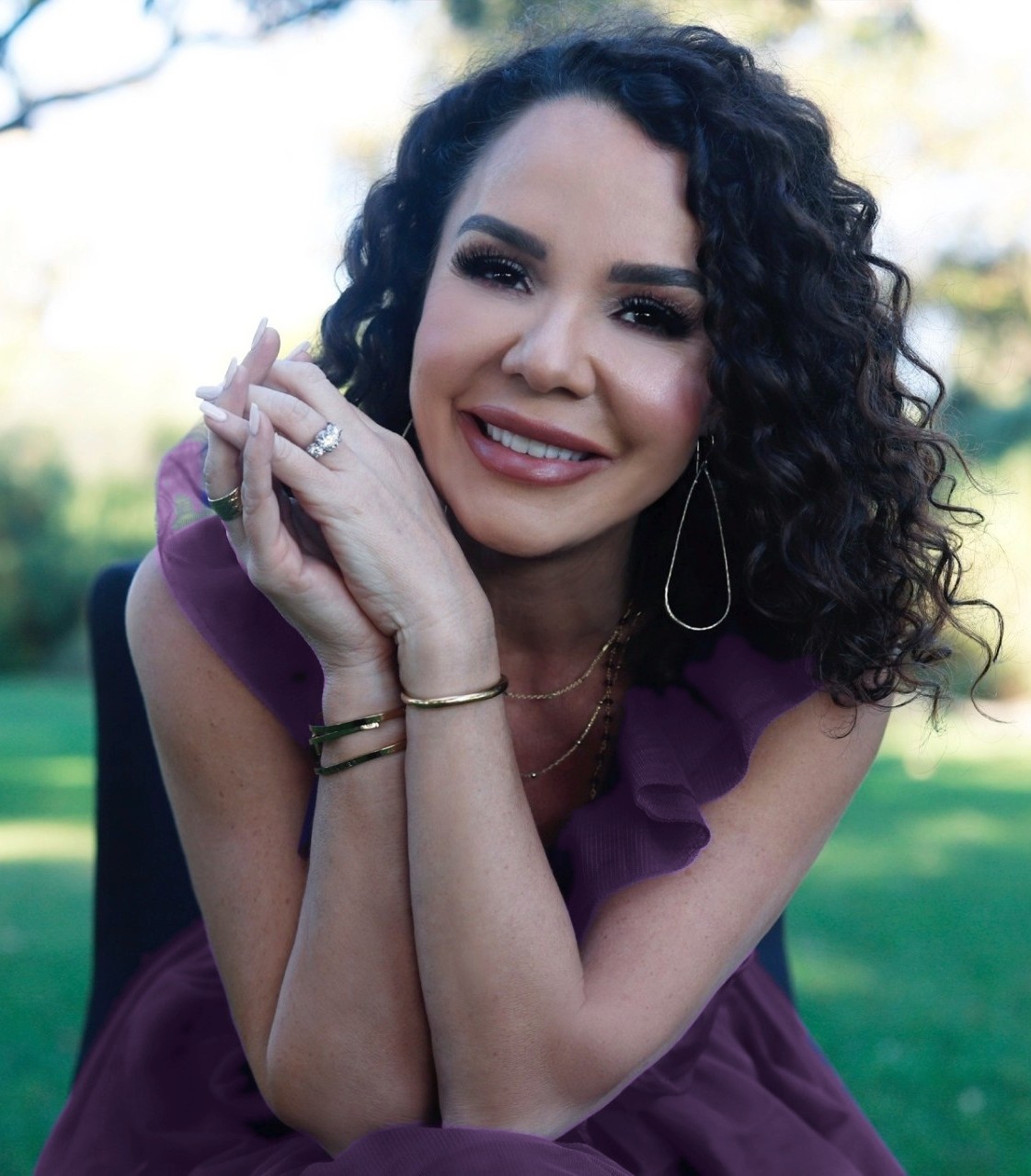
I build plans your people can act on.
I'm Wendee Close, The Goal Execution Expert. I work with founders and mission-driven organizations that know the result they want and are stuck on the way to get there. The work is not inspirational. It is structural: breaking the goal down until everyone they lead or serve can say what to do, why it matters, how to do it, where to find what they need, and who to go to.
The proof is in the systems I built for my own work. The frameworks behind Goals2Life are where these methods were tested and refined. They are not the headline. They are evidence that the approach holds up outside the room where it was made.
What you get is clarity you can act on, and the confidence that it is the right plan. Not motivation. Follow-through.
Questions
Before you start.
The questions leaders ask before they book a Clarity Audit.
It is the first three steps of the method. I look at how leaders and their people each answer the five questions — what to do, why it matters, how to do it, where to find what they need, and who to go to. You leave with a scored Clarity gap test and a prioritized list of what to fix first.
The assessment itself takes about five minutes per person — leaders and their people each rate the five questions. The full walk-through, where I measure the gap and we review the results together, runs about two to three weeks.
A scored Clarity gap test, a one-page plan for each of the five questions, and a prioritized list of what to fix first. It is not a report that sits on a shelf. It is a starting point your people can act on.
It is steps four and five. We take the plan and build it into how your people actually work — the dashboards, the systems, and the handover. Your people get the plan, the systems, and a clear start, so they can move without waiting for direction.
It is part-time, ongoing support that keeps execution on track after the system is in place. You get accountability that keeps the work moving, with a partner in the room — not a one-off.
Most people start with the Audit. It tells you where the gap is and what to build first. If the gap is clear and you are ready to build, you can go straight to the Execution System Build. The Fractional Execution Partner is for leaders who want ongoing support after the system is in place.
Founders and mission-driven organizations that know the result they want and are stuck on the way to get there. It works whether your people are staff, volunteers, or participants in a program. If the people carrying out the plan cannot answer the five questions, the plan stalls — regardless of how good it is.
It is not inspirational. It is structural. I break the goal down until everyone you lead or serve can say what to do, why it matters, how to do it, where to find what they need, and who to go to. The work is in the details, not the deck.
Good plans stall when the people who have to act on them are unclear. So every project follows the same five steps: get clear first, then build the plan. Skipping ahead to the plan before the people carrying it out are clear is how good strategy stalls.
Start with a Clarity Audit assessment. It shows you your gap, and the first step to close it. Book a call with Wendee Close.